Wall panels are a versatile design element that can instantly transform a space, adding texture, color, and personality to any room. But with so many styles, colors, and materials available, choosing the right wall panels and pairing them effectively can be challenging. Here’s a guide to selecting and styling wall panels to achieve your ideal aesthetic.
1. Mixing and Matching Different Panel Styles
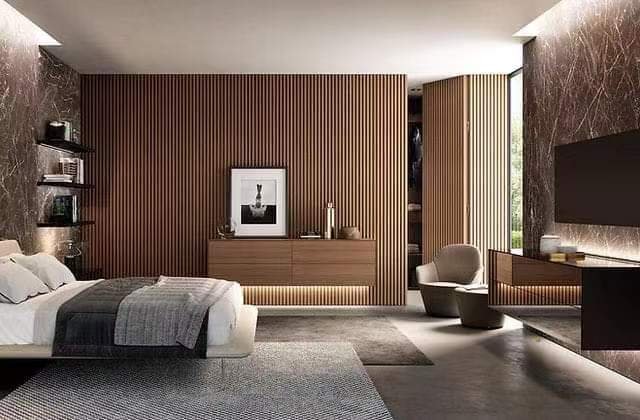
Combining different wall panel styles can add depth and interest to a room. For example, pairing wood panels with stone panels creates a striking contrast between warmth and sophistication. Similarly, combining smooth painted panels with textured 3D panels can introduce a subtle but eye-catching effect that enhances the visual appeal of a space. When mixing styles, it’s essential to maintain a balance and ensure that the designs complement each other without overwhelming the room.
2. Choosing Colors to Set the Right Mood
Color plays a major role in the ambiance of a room, and wall panels offer endless possibilities for color customization. Light-colored panels (like white or pastel shades) help open up a space, making it feel brighter and more expansive. These colors work well in smaller rooms or areas with limited natural light. Darker panels, such as deep blue, charcoal, or dark wood tones, create a cozy, intimate atmosphere, perfect for bedrooms, studies, or reading nooks.
If you want to make a bold statement, consider a single accent wall in a bright or rich color, contrasted with neutral tones on the other walls. This approach allows you to experiment with color without overwhelming the entire room.
3. Coordinating Wall Panels with Furniture and Décor
When choosing wall panels, consider how they’ll complement existing furniture and décor elements. For example, in a room with vintage or rustic furniture, wooden shiplap or tongue-and-groove panels add an organic, cohesive feel. In a modern, minimalist space, sleek metal or matte finish panels can enhance the room’s clean lines and simplicity.
If your décor has a lot of patterns or textures, opt for simpler wall panels to avoid visual clutter. Conversely, if your furniture and décor are neutral or understated, you can use textured or patterned wall panels to add a dynamic focal point.
4. Creating a Focal Point with Feature Walls
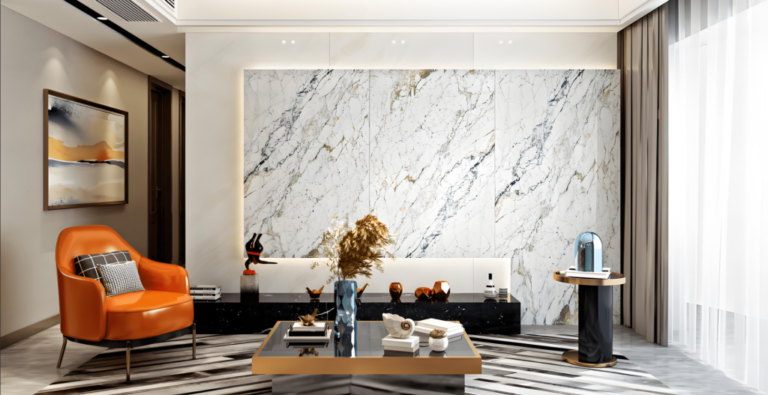
Feature walls made with bold wall panel designs can create an impressive visual impact. For a stylish, modern look, 3D wall panels or geometric patterns can draw attention and add a sense of depth. Stone or brick wall panels work well as feature walls in living rooms or dining areas, bringing a touch of natural elegance and sophistication.
When choosing a feature wall, consider a wall that’s naturally prominent, such as the one behind a sofa, bed, or fireplace. This placement helps anchor the room and makes the feature wall stand out.
5. Choosing Panels Based on Room Functionality
Each room has unique requirements, so it’s essential to choose wall panels that align with the room’s function:
- Living Room: Decorative wood, stone, or textured panels can create a welcoming and stylish atmosphere, serving as a beautiful backdrop for entertaining guests.
- Bedroom: For a cozy, relaxing vibe, opt for soft textures and warm colors. Upholstered panels or padded wall panels add comfort, making the bedroom feel restful.
- Kitchen: In moisture-prone areas like the kitchen, water-resistant panels such as PVC or metal are practical and easy to clean. Bold patterns can make the kitchen feel vibrant and stylish.
- Bathroom: Go for waterproof panels like PVC or treated wood, which prevent damage from humidity while adding an elegant touch to the space.
6. Balancing Texture with Room Size and Style
Texture can greatly influence a room’s look and feel. For smaller rooms, opt for smoother textures that won’t overpower the space, making it feel cramped. In larger rooms, you can experiment with 3D textured panels, brick-style panels, or shiplap to add dimension and character. It’s also essential to consider the overall style: textured panels work well in rustic, industrial, and contemporary styles, while smoother panels are ideal for modern, minimalist designs.
7. Using Wall Panels to Enhance Light and Space
The right wall panels can make a space feel larger or brighter. Glossy or light-reflecting panels, such as those with a high-gloss finish or metallic touches, can reflect light and make the room appear more open. Additionally, light-colored panels can brighten up dark or narrow spaces, while vertically aligned panels can make the ceilings feel higher, adding a sense of spaciousness.
8. Embracing Natural Materials for a Timeless Look
Natural materials like wood and stone bring warmth and authenticity to a space, making them timeless choices. Wooden panels work beautifully in rustic, traditional, and Scandinavian-inspired spaces, adding warmth and coziness. Stone panels, on the other hand, lend a luxurious, high-end feel, making them ideal for feature walls in living rooms, kitchens, or bathrooms.
Natural materials are also highly versatile and can be paired with various textures and colors, allowing you to change up the décor while maintaining a cohesive look.
Conclusion
Choosing the right wall panels and pairing them effectively with the room’s décor can transform your space, enhancing its aesthetic appeal and functionality. Whether you want a bold feature wall, a subtle textured accent, or a harmonious backdrop, these styling tips can help you make the most of your wall panels, creating a unique, personalized space that reflects your style and meets your practical needs.