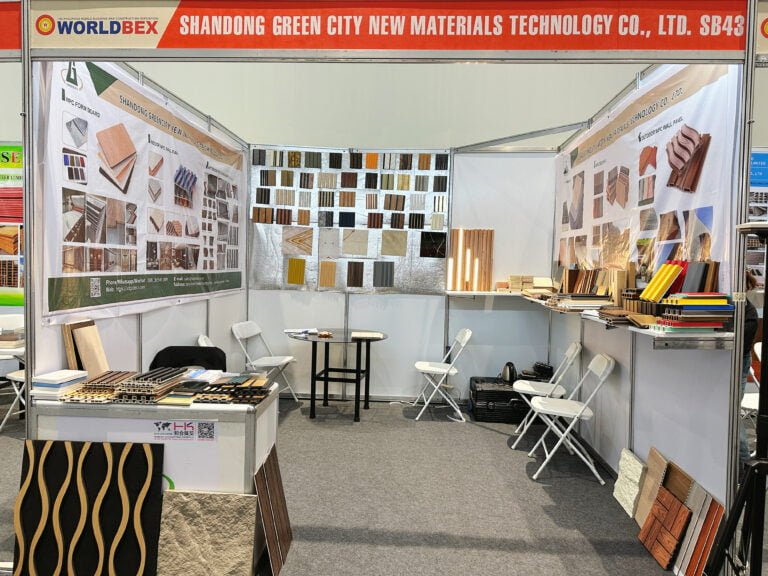
When renovating, choosing the right wall panel material is essential. Different materials affect not only the aesthetic appeal but also the overall comfort, durability, and maintenance requirements of your space. In this guide, we’ll analyze the pros and cons of some popular wall panel materials to help you make an informed choice.
1. Wood Wall Panels
Pros:
- Natural Beauty: Wood panels offer unique grain patterns and warm tones, creating a cozy, inviting atmosphere.
- Insulation & Soundproofing: Wood provides good thermal and acoustic insulation, making it ideal for creating a quiet and comfortable environment.
- Repairable: Minor scratches or damages can be easily sanded and refinished, extending the lifespan of wooden panels.
Cons:
- Sensitive to Moisture: Wood can warp and develop mold in humid areas, so it’s not suitable for spaces like bathrooms.
- Maintenance Required: Wooden panels need regular oiling or waxing to preserve their look and prevent cracking.
2. PVC Wall Panels
Pros:
- Water-Resistant: PVC panels are highly resistant to water, making them ideal for wet areas such as bathrooms and kitchens.
- Lightweight & Easy to Install: PVC is light, easy to handle, and generally more affordable.
- Versatile Designs: PVC panels come in a wide range of colors and textures, including wood and stone finishes, adding decorative flexibility.
Cons:
- Environmental Concerns: PVC production can contribute to pollution, and the material is not biodegradable.
- Average Durability: Though water-resistant, PVC can scratch easily and may fade over time.
3. Stone Wall Panels (Marble, Granite, etc.)
Pros:
- Exceptional Durability: Stone panels are highly resistant to scratches and wear, maintaining their look for decades.
- Luxurious Appearance: Natural stone has unique patterns and colors that elevate the ambiance and provide a high-end finish.
- Easy to Clean: Stone surfaces are generally smooth and non-porous, making cleaning simple.
Cons:
- High Cost: Stone wall panels are costly, both in material and installation, making them suitable for those with a higher budget.
- Heavy Weight: Stone panels require strong support structures due to their weight, adding to the installation complexity.
4. Gypsum Wall Panels
Pros:
- Good Insulation & Soundproofing: Gypsum offers great thermal and acoustic insulation, ideal for residential use.
- Fire Resistant: Gypsum is naturally fire-resistant, making it a safe option for various spaces.
- Design Versatility: Gypsum panels can be customized into different shapes and colors, suiting various décor styles.
Cons:
- Not Moisture-Resistant: Gypsum panels are prone to mold and degradation in damp areas, so they’re not recommended for bathrooms or kitchens.
- Relatively Fragile: Gypsum can crack or break under impact and may require full-panel replacement if damaged.
5. Aluminum Composite Panels
Pros:
- Moisture & Corrosion Resistant: Aluminum panels don’t absorb moisture and resist corrosion, making them suitable for humid spaces.
- Color Variety: Aluminum panels can be coated in many colors, ideal for contemporary or minimalist décor.
- Easy Maintenance: Aluminum surfaces are smooth and resistant to stains, simplifying cleaning.
Cons:
- Limited Sound Insulation: Aluminum panels aren’t as effective for soundproofing compared to wood or gypsum.
- Cold Appearance: The material can appear sleek but may lack the warmth some people prefer for residential spaces.
Conclusion
Each wall panel material has its unique characteristics and ideal usage scenarios. When choosing, consider factors like the environment, design style, and budget. We hope this comparison helps you find the perfect wall panel material to make your space both comfortable and visually appealing!