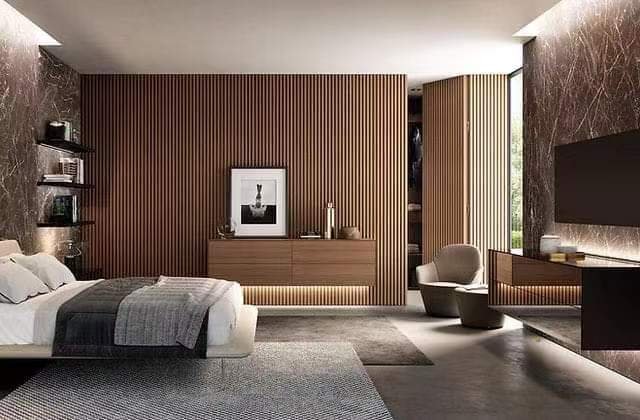
Wall panels are more than just a decorative feature; they can be a powerful tool for transforming your interior space. Beyond aesthetics, wall panels add texture, depth, and even practical benefits like insulation and soundproofing. In this post, we’ll explore innovative ways to use wall panels to enhance your home’s style and functionality.
1. Statement Accent Walls
Using wall panels to create an accent wall is a classic but highly effective way to make a room feel unique and stylish. Accent walls draw attention and can break the monotony of a single-color space. Popular choices include:
- 3D Textured Panels: These add visual interest and can create a sculptural effect, particularly effective in living rooms and bedrooms.
- Wood Panels: Wood accent walls add warmth and a touch of nature, perfect for creating a cozy atmosphere.
- Stone or Faux Stone Panels: These add a luxurious, sophisticated look, ideal for feature walls in living rooms or foyers.
2. Multi-Functional Walls with Storage
Wall panels aren’t just for decoration; they can also add functional value to a room. Panels with integrated storage solutions are perfect for compact spaces, helping you keep your home organized while maintaining a stylish appearance.
- Shelved Panels: Panels with built-in shelves or nooks offer a practical way to display books, plants, or decor items without taking up floor space.
- Hidden Storage Panels: For a sleeker look, some wall panels can conceal storage behind a seamless design, ideal for minimizing clutter in bedrooms or offices.
3. Soundproofing Solutions for Quiet Comfort
Wall panels are often used for soundproofing, especially in areas where peace and quiet are essential, like bedrooms, home offices, or media rooms.
- Acoustic Wall Panels: These panels are made of sound-absorbing materials and reduce noise transmission, enhancing privacy and comfort.
- Soft Fabric Panels: Covered in materials like felt or foam, these panels add a soft, cozy aesthetic while effectively dampening sound.
4. Creative Ceiling Panels
Ceiling panels can give a room a cohesive, designer look. They’re especially effective in open-concept spaces, where they can help visually separate areas without creating physical barriers.
- Wooden Beam Panels: For a rustic or farmhouse look, wooden ceiling panels mimic the look of exposed beams and add architectural interest.
- Geometric Patterns: Using panels with unique shapes (such as hexagons) on the ceiling adds a modern and artistic touch, great for contemporary spaces.
- Mirrored Panels: Mirrored ceiling panels create the illusion of a larger, more open room and can amplify light, making them ideal for smaller rooms or spaces with low ceilings.
5. Outdoor and Patio Wall Panels
Wall panels are no longer limited to indoor spaces. Weather-resistant materials make it possible to add paneling to exterior walls, patios, or garden areas.
- PVC or Composite Panels: These are water-resistant and can withstand various weather conditions, making them a durable option for outdoor spaces.
- Decorative Screens: Laser-cut metal or wooden screens add an artistic element to patios or garden walls while providing privacy and shading.
- Green Wall Panels: With integrated planter boxes, green wall panels can support living plants, transforming any wall into a vertical garden for a refreshing, natural aesthetic.
6. Textured Hallway Panels for Narrow Spaces
Hallways are often overlooked in home design, but adding textured wall panels can make a narrow space feel more dynamic and inviting.
- Linear Panels: Panels with vertical or horizontal lines can create a sense of movement, making hallways feel more open.
- Mirrored or Glossy Panels: Reflective surfaces can brighten up narrow hallways and make them appear wider.
- LED-Backlit Panels: Panels with integrated lighting can add a dramatic, modern touch to hallways, enhancing depth and style.
7. Customized Kids’ Rooms and Play Areas
For a child’s room or play area, wall panels can be both decorative and interactive, creating a fun, engaging environment.
- Chalkboard Panels: These allow kids to draw and write on the walls without damaging surfaces, offering a creative outlet that’s also practical.
- Soft, Padded Panels: These provide a safer environment for kids by cushioning walls, and can be customized in playful colors or patterns.
- Educational Panels: Panels with built-in shapes, alphabets, or numbers can encourage learning through play and add a lively feel to the room.
Conclusion
Wall panels are a versatile design element that can significantly enhance the look, feel, and function of any space. From accent walls and soundproofing solutions to outdoor decor and storage-integrated designs, wall panels offer endless possibilities for personalizing your home. With a bit of creativity, you can use wall panels to transform even the simplest spaces into stylish, functional areas that reflect your unique taste and lifestyle.