1. Overview of UV Boards
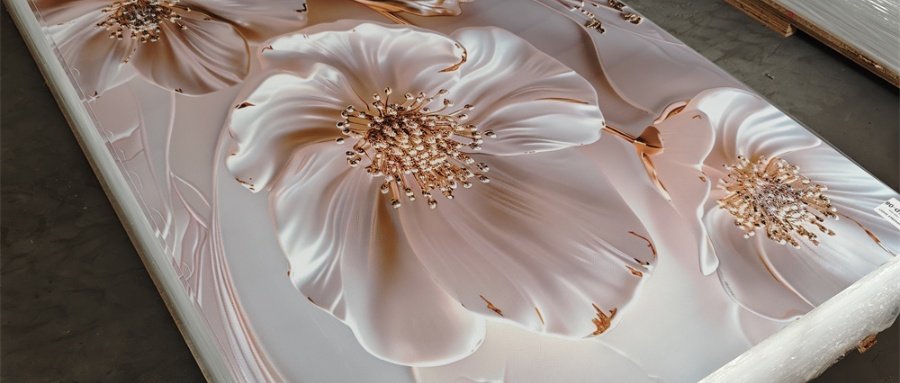
UV boards (Ultraviolet Curing Boards) are decorative panels treated with ultraviolet curing technology, gaining rapid popularity in recent years in fields such as furniture manufacturing and interior decoration. These boards are produced by coating the base material with UV paint and then drying it under ultraviolet light curing equipment. They are known for their eco-friendliness, durability, and rich color options.
2. Key Features of UV Boards
-
Excellent Environmental Performance: UV boards utilize ultraviolet curing technology, which emits minimal volatile organic compounds (VOCs) during production, meeting modern environmental standards.
-
High Surface Hardness: The UV-cured surface can achieve a hardness of 3H or higher, far exceeding the wear resistance of ordinary painted surfaces (ASTM D3363 test standard).
-
Diverse Color Options: UV technology can produce high-gloss, matte, metallic, and various other finishes, offering a wide range of color choices (Pantone color trends).
-
Superior Anti-Yellowing Properties: UV-cured coatings have excellent UV resistance, preventing discoloration over time (Journal of Coatings Technology research).
-
High Production Efficiency: UV coatings cure quickly, significantly reducing production cycles and improving efficiency (RadTech UV/EB technology).
3. Applications of UV Boards
-
Furniture Manufacturing: Widely used for surfaces of cabinets, wardrobes, bookshelves, and other panel furniture (IKEA sustainable materials report).
-
Interior Decoration: Used as wall panels, ceiling materials, door panels, and more (ArchDaily architectural materials).
-
Commercial Spaces: Ideal for display cabinets, counters, office furniture, and other commercial settings (Office Design Magazine).
-
Bathroom Spaces: Specially treated UV boards can be used in humid environments, such as bathroom vanities (National Kitchen & Bath Association).
4. UV Board Selection and Maintenance Guide
Selection Tips:
-
Check for a smooth, defect-free surface (FSC-certified wood standards).
-
Ensure uniform and consistent coloring (NCS Color System).
-
Understand the base material type and environmental rating (LEED certification requirements).
-
Choose reputable brands for reliable quality (Formica laminate technologies).
Maintenance Methods:
-
Clean regularly with a soft cloth (3M cleaning recommendations).
-
Avoid scratches from sharp objects (Mohs hardness scale reference).
-
Keep away from high-temperature sources (Underwriters Laboratories flammability tests).
-
Use specialized maintenance products periodically (AkzoNobel wood care).